Free shipping on US orders over $200100% authentic gear from official brandsEasy 30-day returnsSecure checkoutTop outdoor & sports brands in one placeFree shipping on US orders over $200100% authentic gear from official brandsEasy 30-day returnsSecure checkoutTop outdoor & sports brands in one place

My Account

Author: admin

  • The Weekend Camping Checklist: What to Pack (and What to Leave Home)

    The Weekend Camping Checklist: What to Pack (and What to Leave Home)

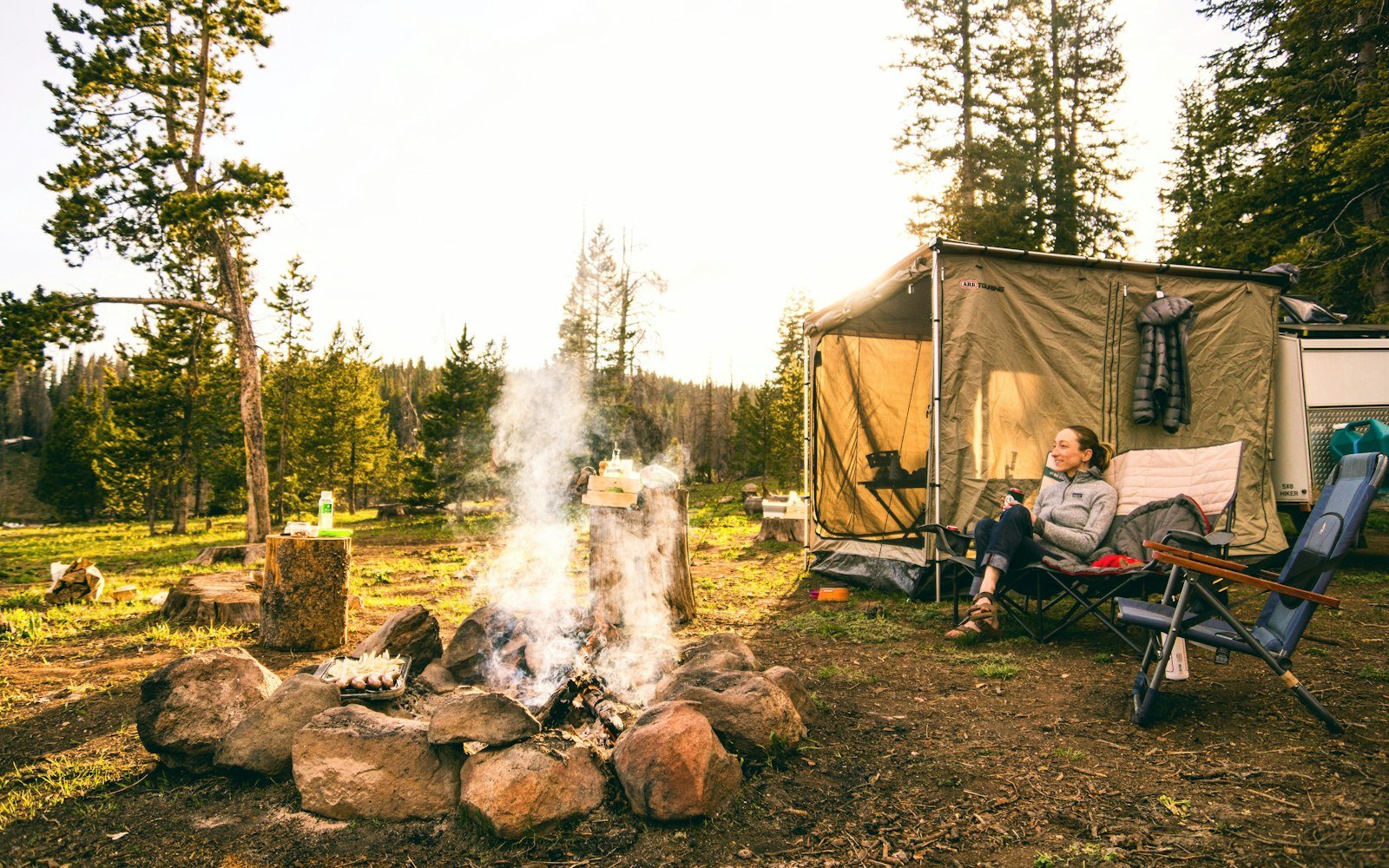
    A great camping weekend starts at home with a good packing list. Forget the stove fuel or a warm layer and the trip quickly becomes an exercise in endurance. Use this checklist, adjust it for your destination and the weather, and keep it with your gear for next time.

    Shelter and sleep

    • Tent with footprint, stakes and guylines
    • Sleeping bag rated at least 10°F below the expected low
    • Sleeping pad (insulation matters more than thickness in cold weather)
    • Pillow or a stuff sack filled with clothes

    Camp kitchen

    • Stove and the correct fuel, plus a lighter and a backup
    • Pot, pan, utensils and a sharp knife or multitool
    • Cooler with ice or ice packs
    • Plates, mugs, biodegradable soap and a small sponge
    • Trash bags — pack out everything you bring in

    Water

    • At least 1 gallon per person per day for drinking and cooking
    • Reusable bottles and a water filter or purifier if you will use natural sources

    Light, safety and navigation

    • Headlamp for every camper plus spare batteries
    • Lantern for camp
    • First-aid kit, sunscreen and insect repellent
    • Map, compass or downloaded offline maps

    Clothing

    • Moisture-wicking base layer, insulating mid layer and a waterproof shell
    • Warm hat, gloves and an extra pair of socks
    • Camp shoes or sandals

    Comfort extras

    • Camp chairs and a small table
    • Hammock for lazy afternoons
    • Cards or a compact game

    What to leave at home

    Glass bottles, extra electronics and anything you would hate to lose or break. Check the campground rules before you bring firewood — many areas ask you to buy it locally to stop the spread of pests.

    Explore tents, coolers, chairs, lights and stoves in our Camping & Hiking category.
  • Pickleball Paddle Buying Guide for Beginners

    Pickleball Paddle Buying Guide for Beginners

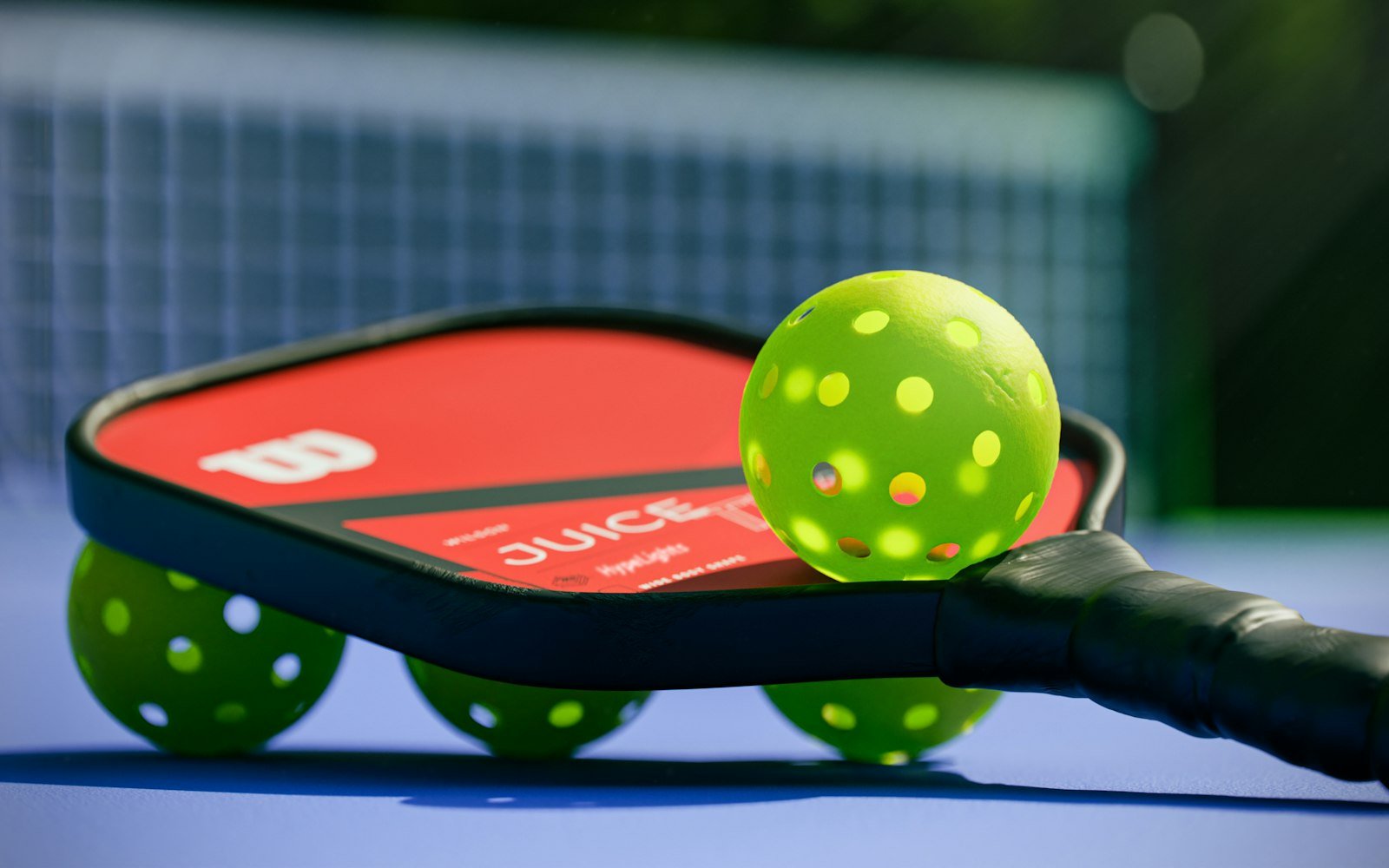
    Pickleball is easy to learn, but walking into the paddle aisle can feel overwhelming. The good news: four simple factors explain most of the difference between paddles. Get these right and you will enjoy the game more and progress faster.

    1. Weight

    • Light (under 7.8 oz): quick hands at the kitchen line and less strain on the arm; slightly less power.
    • Mid-weight (7.8–8.3 oz): the best starting point for most players — a balance of control and power.
    • Heavy (over 8.3 oz): more drive and stability, but slower to react and harder on the elbow.

    2. Grip size

    Grip circumference usually ranges from 4 to 4.5 inches. If you are between sizes, choose the smaller one — you can always build it up with an overgrip. A grip that is too large makes wrist snaps and fast exchanges difficult.

    3. Core thickness

    Most paddles use a polymer honeycomb core. Thicker cores (around 16 mm) feel softer and give more control and a bigger sweet spot. Thinner cores (around 13 mm) feel crisper and add pop for players who like to drive the ball.

    4. Face material

    • Fiberglass: lively and powerful, often at friendly prices.
    • Carbon fiber: excellent feel and consistency; textured raw-carbon faces help generate spin.

    Do not forget the ball

    Outdoor balls have smaller holes (typically 40) and a harder shell to handle wind and rough courts, while indoor balls are softer with larger holes. If you plan to play in sanctioned events, choose paddles and balls that are approved by USA Pickleball.

    Shop paddles, balls and accessories in our Tennis & Pickleball category.

  • Monofilament vs. Fluorocarbon vs. Braid: Picking the Right Fishing Line

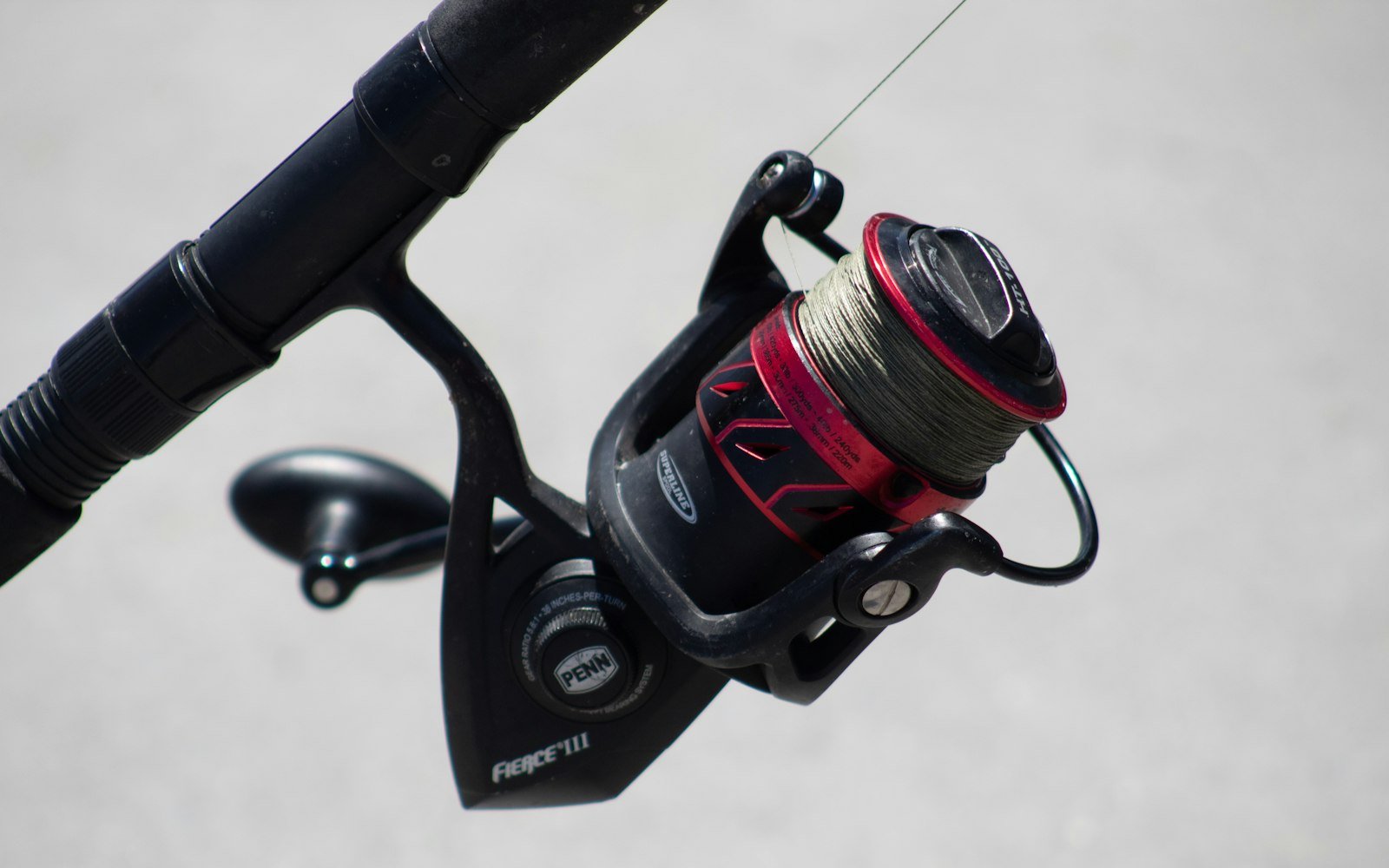
    Monofilament vs. Fluorocarbon vs. Braid: Picking the Right Fishing Line

    Your line is the only thing connecting you to the fish, yet it is often the last item anglers think about. The three main types — monofilament, fluorocarbon and braid — behave very differently. Matching the line to the way you fish will help you get more bites and land more of them.

    Monofilament: forgiving and affordable

    • Stretches under load, which acts like a shock absorber on hard hook sets and with treble-hook lures.
    • Floats, making it a natural choice for topwater baits.
    • Easy to cast and to tie good knots with, ideal for beginners.
    • Downsides: more stretch means less sensitivity, and it breaks down faster with sunlight, so replace it more often.

    Fluorocarbon: low visibility and abrasion resistance

    • Its light refraction is close to that of water, so it is very hard for fish to see — great in clear water.
    • Sinks, which helps crankbaits run deeper and keeps finesse rigs in contact with the bottom.
    • Excellent abrasion resistance around rocks, docks and wood.
    • Downsides: stiffer and springier, so manage line twist and moisten knots before tightening.

    Braid: maximum strength and sensitivity

    • Almost no stretch, so you feel every tap and get powerful hook sets at long distance.
    • Very thin for its strength: 30 lb braid is roughly the diameter of 8 lb mono.
    • The go-to for heavy cover, frogs, punching mats and deep jigging.
    • Downsides: highly visible and slippery — most anglers add a fluorocarbon leader and use knots designed for braid.

    Quick matching guide

    • Topwater and treble-hook crankbaits: monofilament.
    • Clear water, finesse and bottom contact: fluorocarbon.
    • Heavy cover, long casts and jigging: braid with a fluorocarbon leader.

    When to respool

    Check the first few yards of line after each trip. If it feels rough, looks chalky or has kinks and nicks, cut it back or respool. Mono and fluoro usually need fresh line every season; braid lasts longer and can often be flipped end-for-end.

    Find line, lures and reels in our Fishing category.

  • How to Choose Hunting Binoculars: A Practical Buyer’s Guide

    How to Choose Hunting Binoculars: A Practical Buyer’s Guide

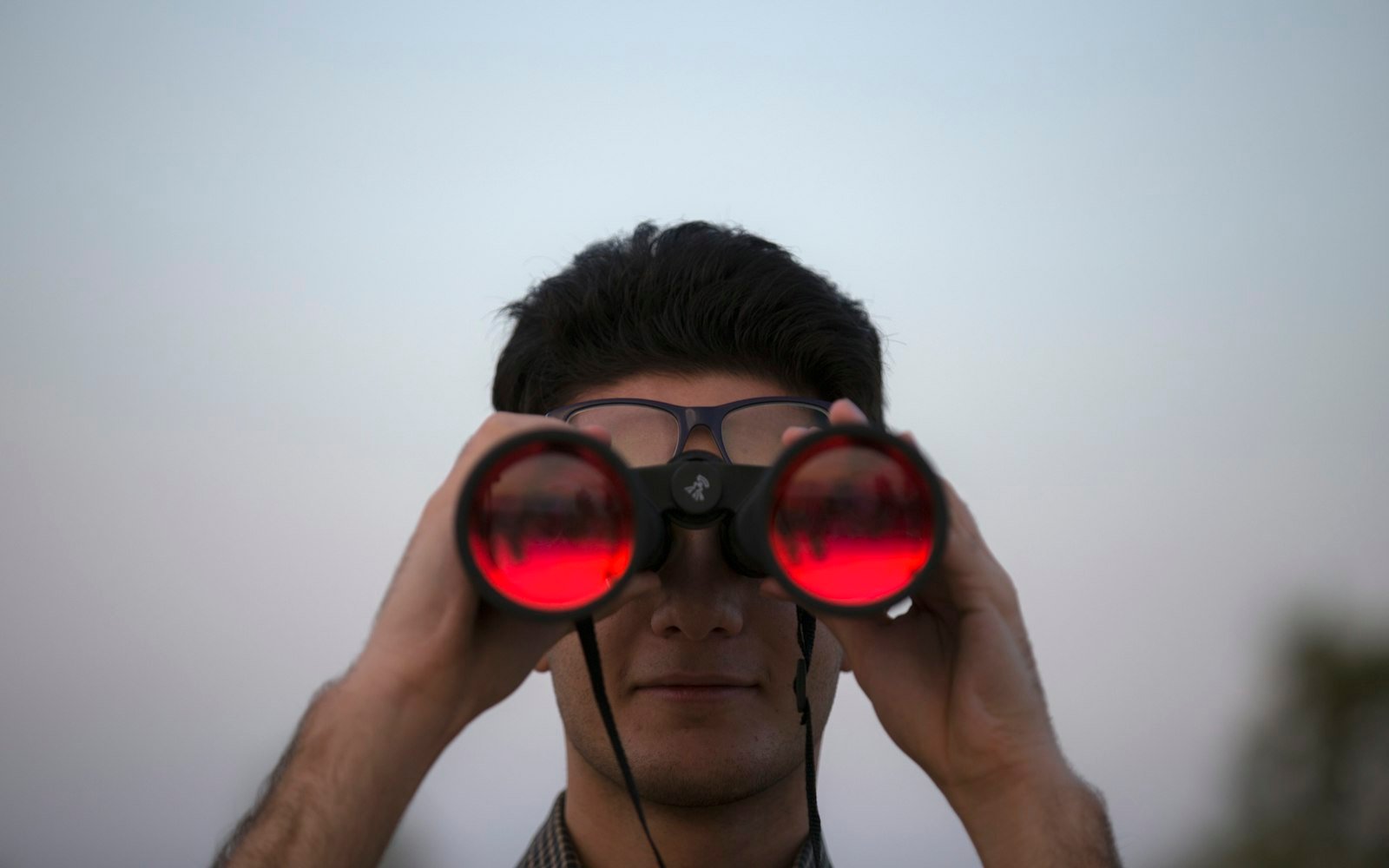
    A good binocular is the piece of hunting gear you will use most. You glass from the truck, from the stand and on every ridge you climb. The spec sheet can look confusing, but only a handful of numbers really decide how a binocular performs. This guide walks through them in plain language.

    What “8×42” really means

    The first number is magnification: an 8x binocular makes an animal look eight times closer. The second number is the diameter of each front (objective) lens in millimeters. Bigger lenses gather more light, but they also add size and weight.

    8x or 10x?

    • 8x gives a wider, steadier view that is easier to hold still. It is a great all-round choice for timber, thick cover and moving game.
    • 10x shows more detail at distance, which helps in open country, mountains and fields. The trade-off is a narrower field of view and more visible hand shake.
    • Above 12x, most hunters need a tripod to get the full benefit.

    Low-light performance and exit pupil

    Divide the objective size by the magnification to get the exit pupil: 42 ÷ 8 = 5.25 mm. A larger exit pupil delivers a brighter image at dawn and dusk, exactly when game moves. For early-morning and last-light hunting, aim for 4 mm or more.

    Glass and coatings

    Look for “fully multi-coated” lenses, which reduce reflections and boost brightness. Extra-low dispersion (ED or HD) glass cuts color fringing so antlers and edges stay sharp. In roof-prism models, phase-corrected prisms make a visible difference in contrast.

    Comfort and durability

    • Eye relief: if you wear glasses, choose 15 mm or more and twist-up eyecups.
    • Waterproof and fogproof: O-ring sealing plus nitrogen or argon purging keeps moisture out in rain and cold mornings.
    • Weight: full-size 42 mm binoculars typically weigh 20–30 oz. A chest harness spreads the load and keeps them ready.
    • Warranty: many respected optics brands offer lifetime or unconditional warranties — it is worth checking before you buy.

    Quick checklist

    • Thick cover or general use: 8×42.
    • Open country or long-range glassing: 10×42 or 10×50.
    • Backcountry where every ounce counts: 8×32 or 10×32.

    Browse our Hunting & Shooting category to compare binoculars, rangefinders and accessories from brands we carry.